Friday, December 21, 2012

2.7

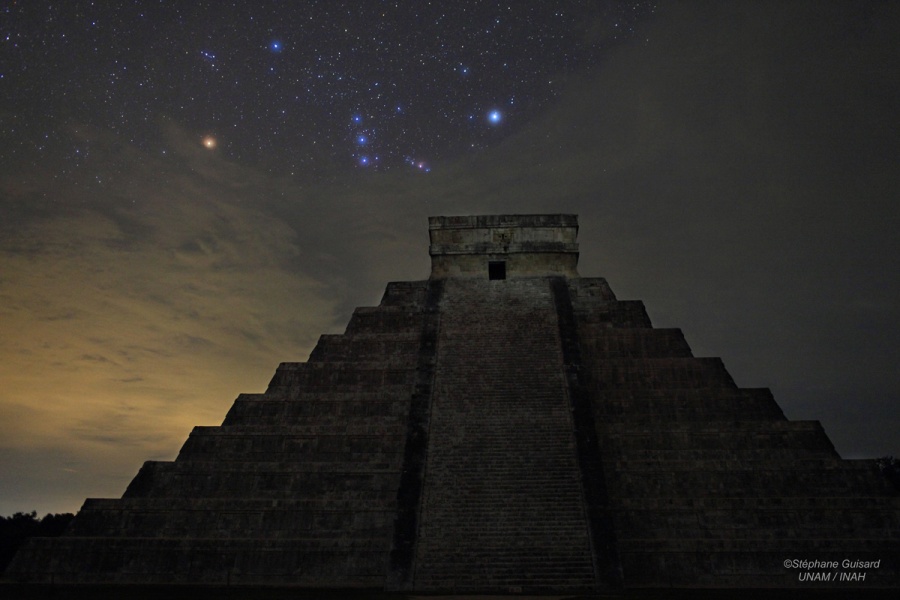
The following in an image from the Yucatan, one of the great Mayans pyramids. And despite what some believe, not even the Mayans predicted the world would end.  Taken during the winter solstice, this image shows the majesty of space, and long lasting power of the Mayan empire, not through doomsayers picking a calender, but through their incredible building skills. 

Friday, December 7, 2012

Apod 2.6

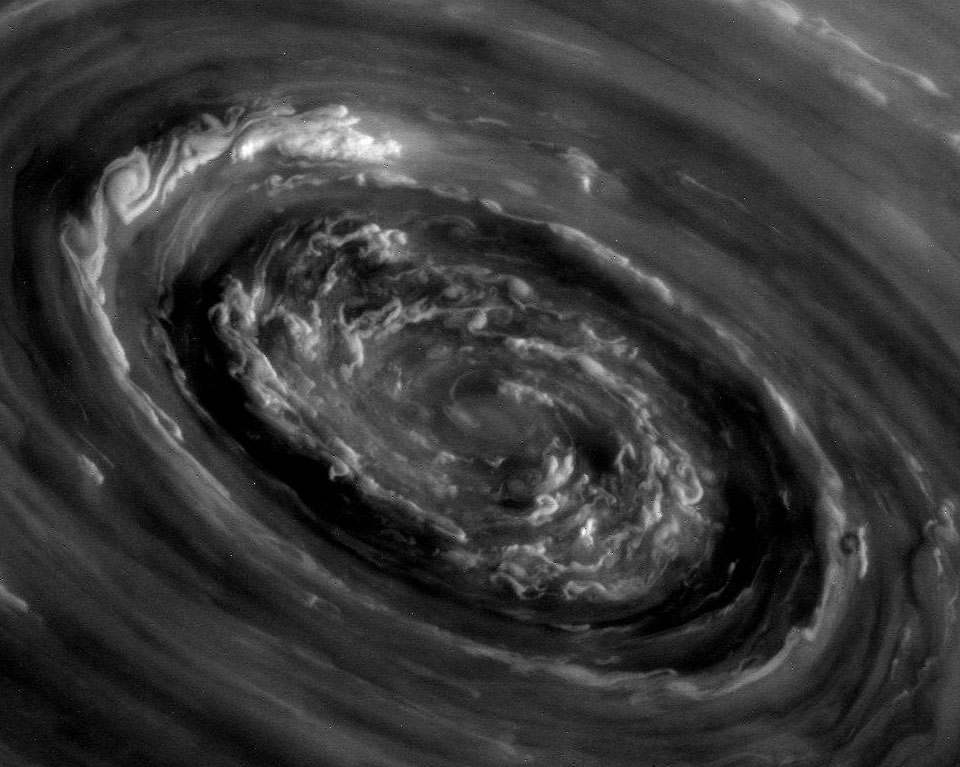
The following image was taken by Cassini spacecraft, which was orbiting Saturn. This image is from the north pole.  It shows a strange cloud pattern, that looks similar to that of hurricanes we have here, and that any Floridian show be familiar with.

APOD 2.5

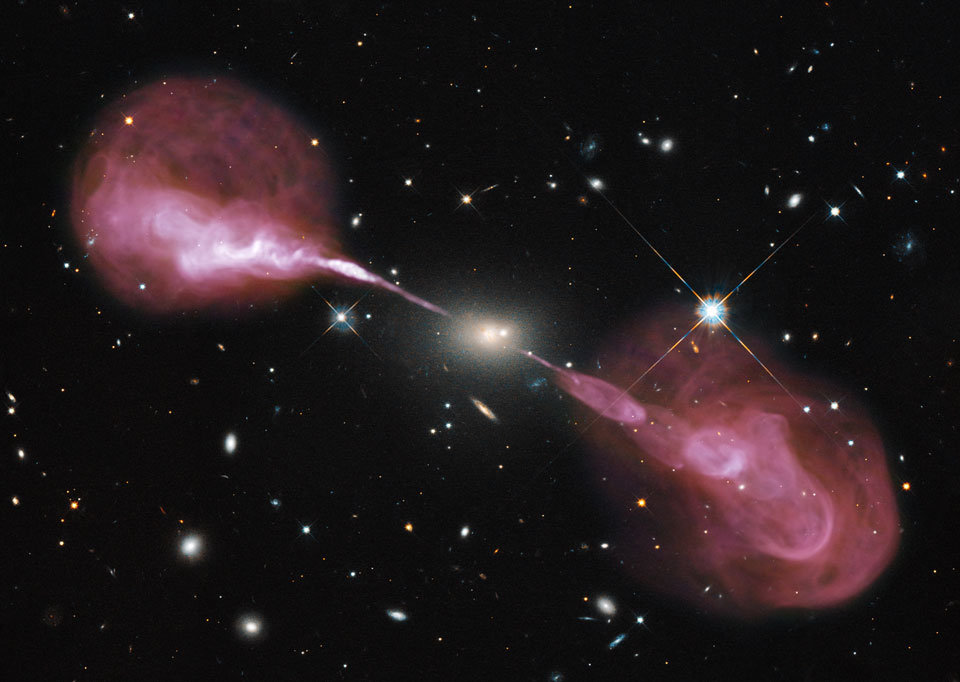
The jets in this galaxy are most likely caused by  a super massive black hole, although there is no way to know for sure. This galaxy is simply massive, about 1000 times the size of ours.  The above image is the result of combing a radio telescope image with a visual telescope image. To the visual telescope, a normal galaxy is visible, but when viewed with the radio one, the plasma jets are visible.

Apod 2.4

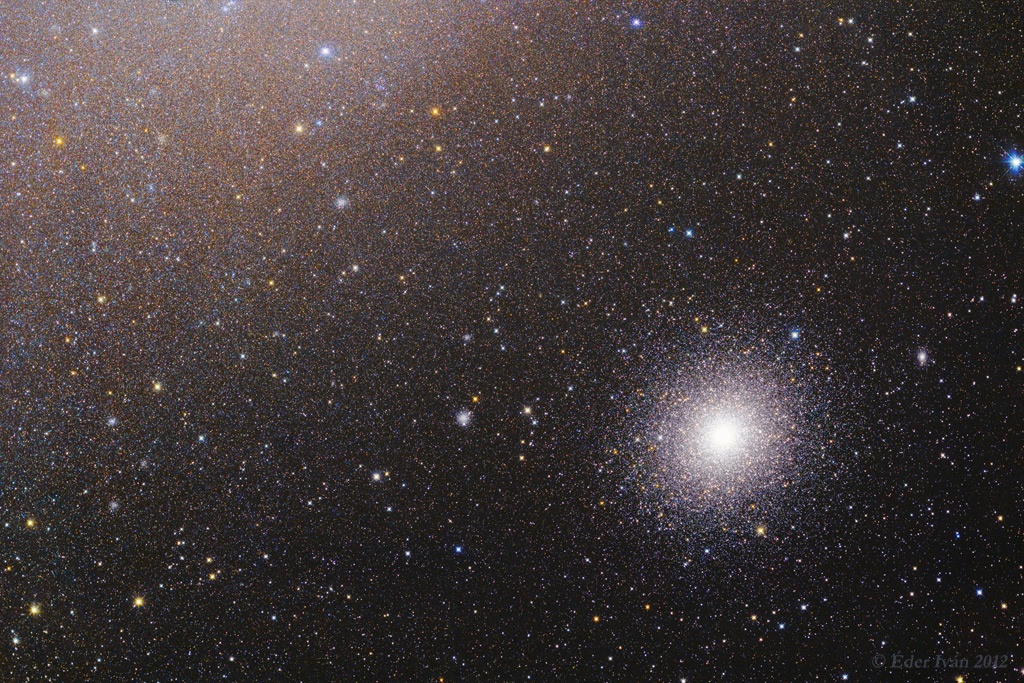
The above image shows star cluster 47, aka, Tucanae. It is 120 million light years acros, and made up of several millions of stars. Seeing something like this makes one think about just how massive the universe is, especially once you realize that is just one of many star clusters out there.

Apod 2.3

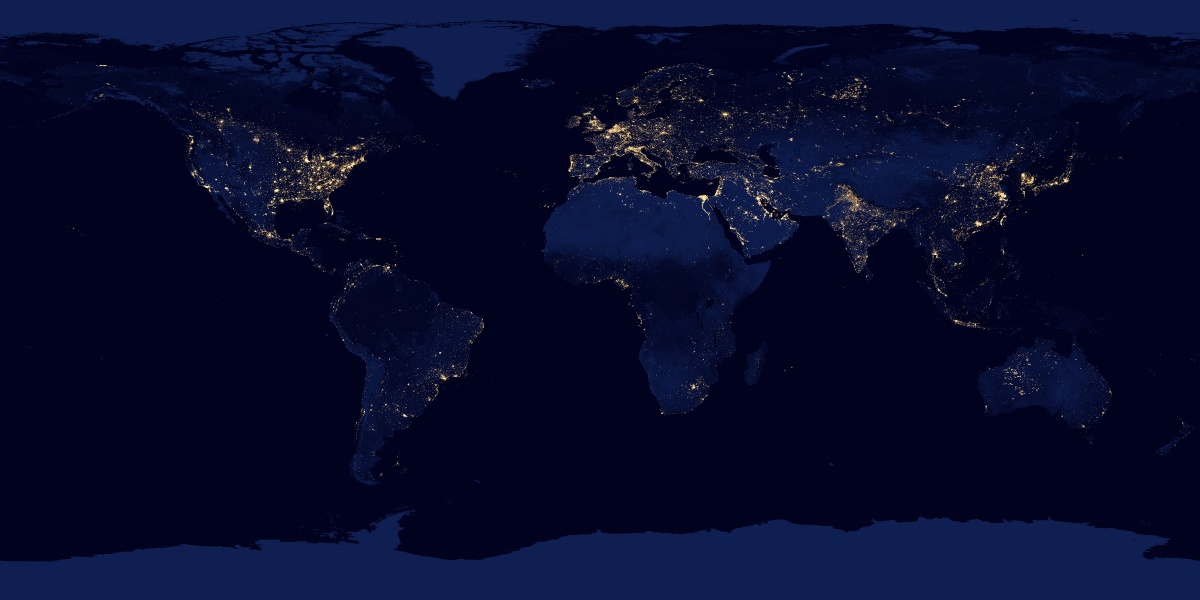
The above image shows a composite of cloud free images, collected at night. One can truly appreciate the scale of things from viewing this image, and just how much we effect the earth with our lights, and modern technology.  It also shows how much of  the world is either not populated, or not technologically advanced.

Tuesday, December 4, 2012

Apod 2.2

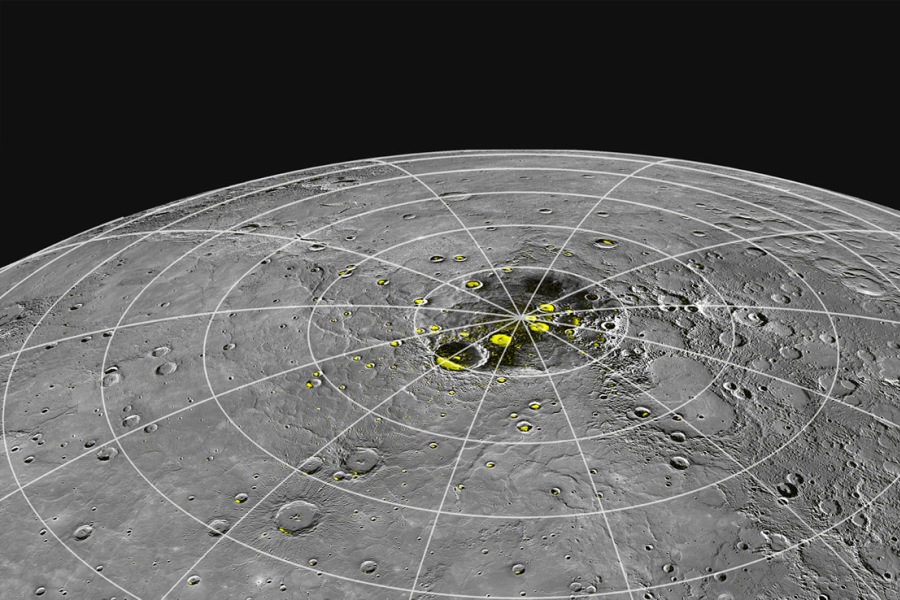
The above image shows mercury, with a computer generated grid above it.The highlighted yellow craters shows spots where it has permanent ice. This seems surprising, since Mercury is the planet closest to the sun, and gets quite hot, up to 700K.

Thursday, November 29, 2012

Constellation Quizes

Constellation Quiz 1
Allows you to select which ones to quiz
Is visual

Quiz 2

Quizes on facts and text, in contrast to the other quiz.

Thursday, November 15, 2012

Apod 2.1

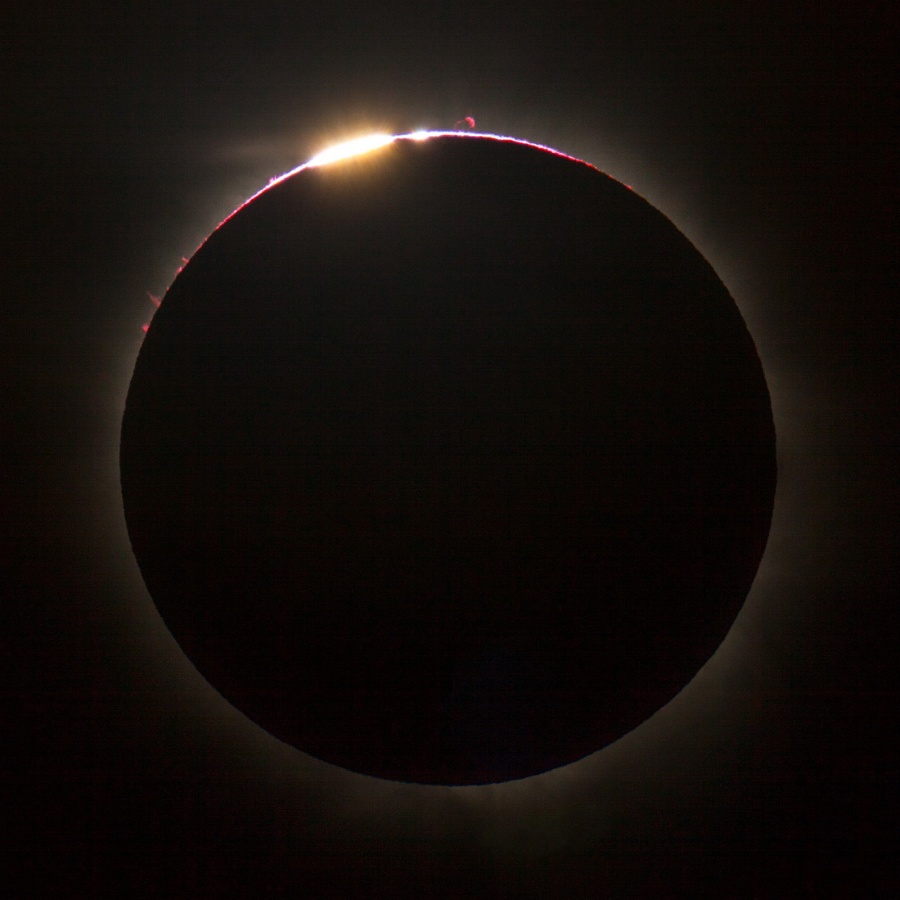
Those lucky enough to be living Nothern between Australia and Queensland got to experience an uncommon, total solar eclipse. The eclipse occured along the southern Pacific, and almost completely covered the sun. According to http://eclipse.gsfc.nasa.gov/solar.html, the next time an eclipse of this magnitude will occur is Nov 3, 2013.  However, this eclipse will be much shorter.

Friday, November 2, 2012

Apod 2.0

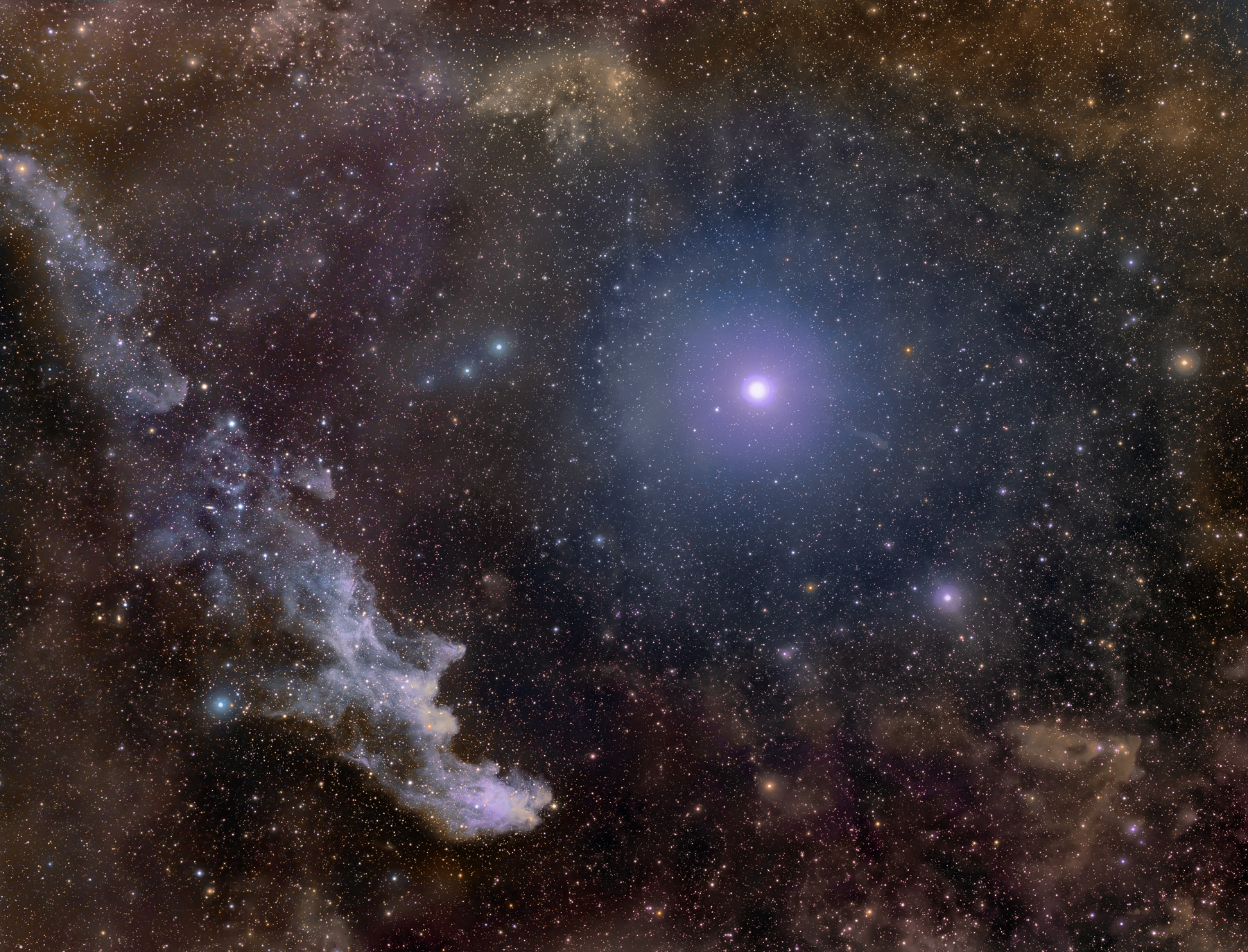
Rigel and the Witch Head Nebula are shown here. The witch head galaxy, named after the mysterious characters who exist throughout literature, like Mcbeth, is 50 light years wide, and reflects Rigels starlight through intersteller dust. The nebula appears blue partly  for the same reason the earths sky is blue, the particles reflect blue the best.  The other reason is that Rigel is more blue than our sun is.

Apod 1.9

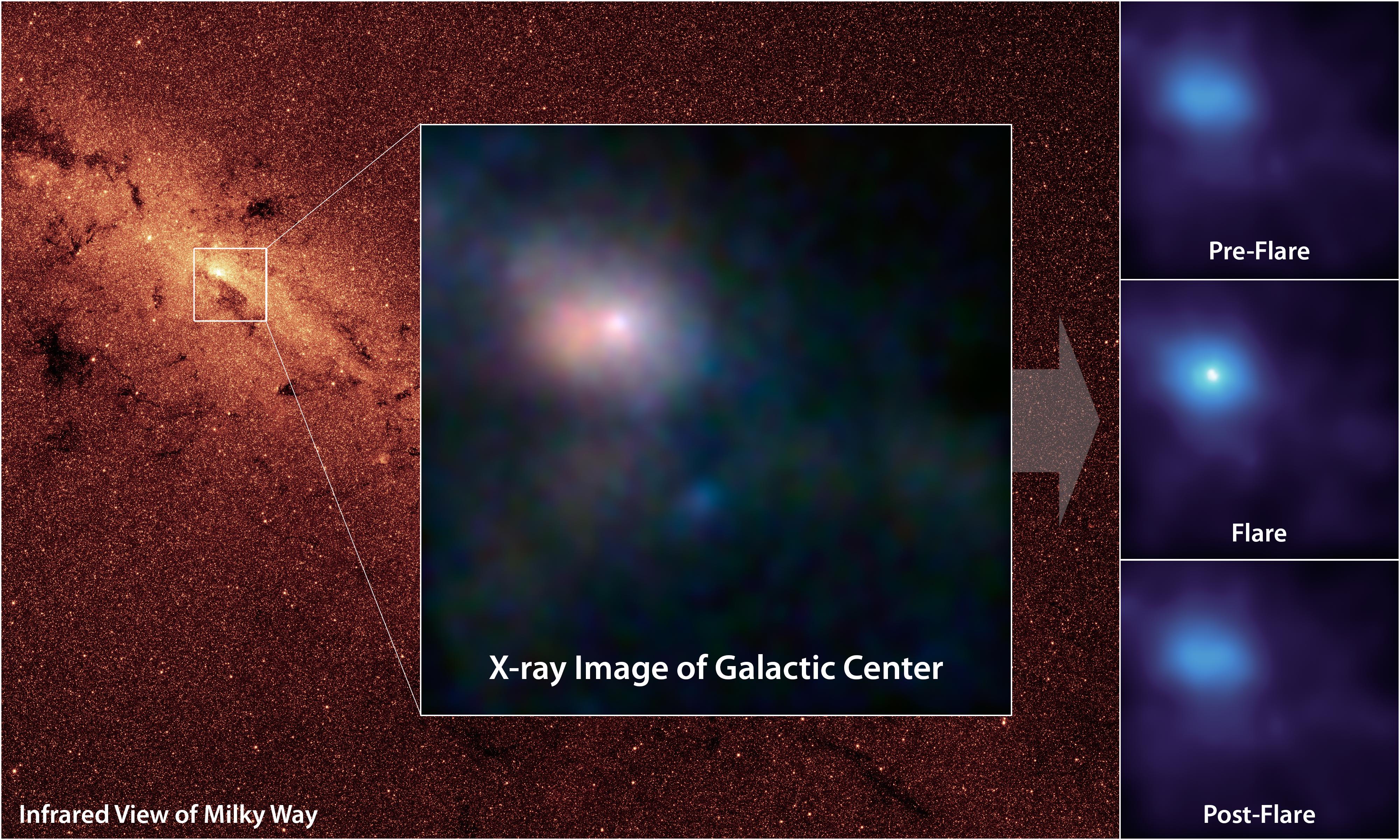
Deep in the center of our galaxy, the milky way, lies a large black hole.  This black hole is massive, roughly 4 million times the mass of the sun, and 27,000 light years away. It is fairly inactive when compared to to other black holes, but a recent flare up allowed for this image to be taken. 

Sunday, October 21, 2012

Observation

Observed the moon during the day, with  plane flying through it, leaving a trail of smoke across the moon.
Sadly, I was not quick enough to catch it.
I have made a digital recreation.

Friday, October 19, 2012

Apod 1.8

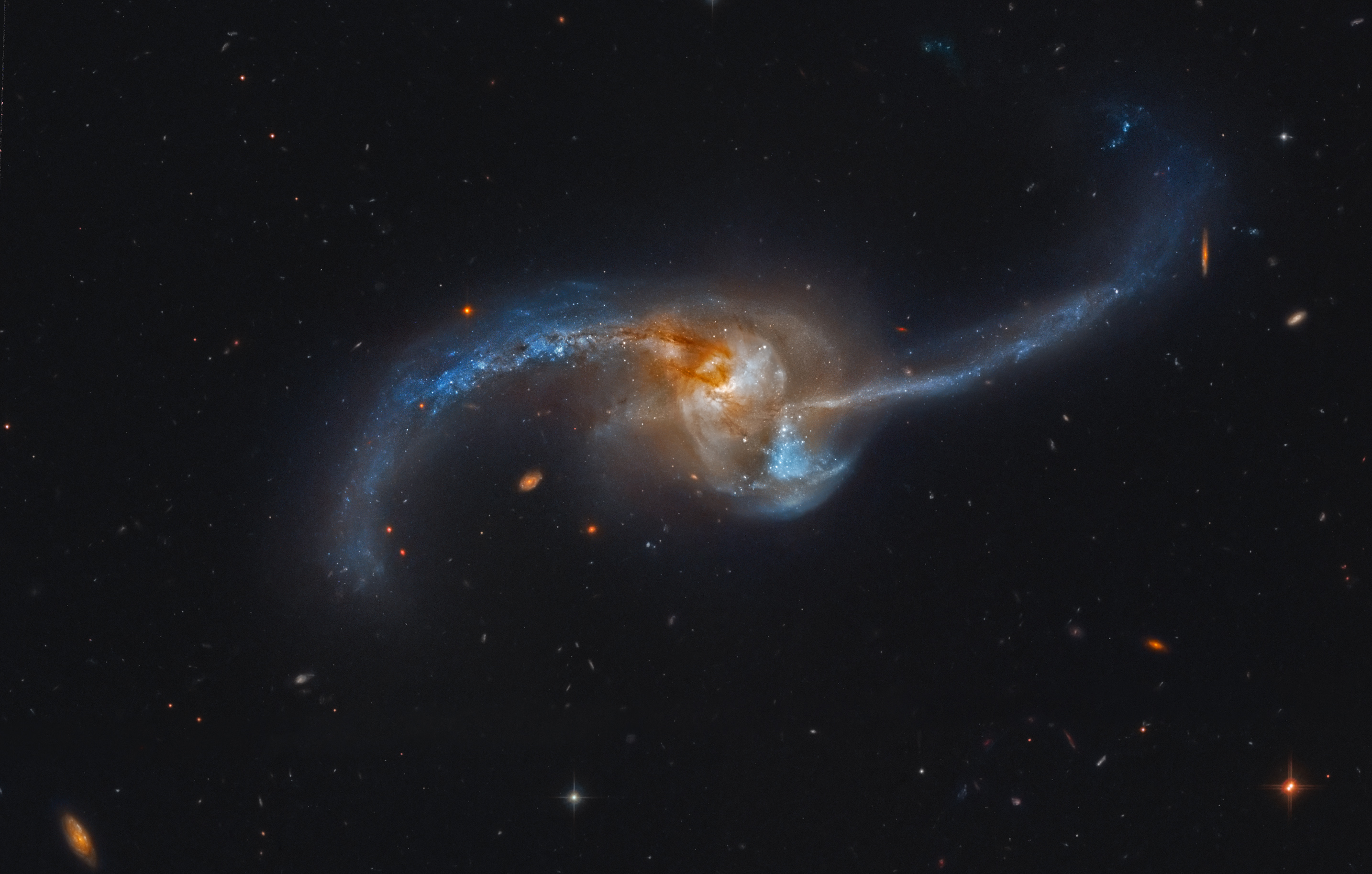
The above image shows NBC 2623. While it may look like one spiral galaxy, it is actually two galaxies colliding. These galaxies have almost finished merging.  This is similar to what may happen to our milky way galaxy and the Andromeda galaxy, far in the future. While it's certainly not a concern anytime soon, it is interesting to see a preview of what may happen to our galaxy in the future.

Thursday, October 18, 2012

John Bayer


      John Bayer wrote the star atlas, Uranometria, and having introduced a star nomenclature. Bayer was born in Bavaria, Germnay, in 1572.  He became a lawyer and astronomer, and published his work in Italy.  Bayer was a layer professionally, but his attempts at astronomy wound up being highly succesfull, as he produced the very beneficial book, Uranometria.
      Uranometria was a first of its kind book. It was a star atlas, or a directory of the stars in the sky. This allowed astronomers to have much greater accuracy when scanning the night sky than before, and greatly advanced astronomy. Now, astronomers all had a reference they could use for measuring the sky. The Atlas was originally engraved on copper plates by Alexander Mair.  It contains 51 star charts.  It uses a grid to show the location of stars, to high accuracy. 
      As a lawyer, Bayer studied in Augsburg and Ingolstadt, and worked for the city council in the former.  During this period, he made his most important contribution, which happened to be in the field of astronomy, and the legal system, his Uranometria.  He drew from primarily from Tycho Brahes wok for this, and copublished it with Giovanni Gallucci.


Swerdlow. "1986JHA....17..189S Page 189." 1986JHA....17..189S Page 189. Harvard, n.d. Web. 30 Sept. 2012. <http://adsabs.harvard.edu/full/1986JHA....17..189S>.

Hockey, Thomas. "Bayer, Johann." Bayer, Johann. Springer Reference, n.d. Web. 30 Sept. 2012. <http://www.springerreference.com/docs/html/chapterdbid/58130.html>.

Wikipedia contributors. "Johann Bayer." Wikipedia, The Free Encyclopedia. Wikipedia, The Free Encyclopedia, 30 Sep. 2012. Web. 18 Oct. 2012.

"Johann Bayer, Uranometria, 1603." Johann Bayer, Uranometria, 1603. N.p., n.d. Web. 18 Oct. 2012. <http://www.lindahall.org/services/digital/ebooks/bayer/>.

Friday, October 12, 2012

Apod 1.7

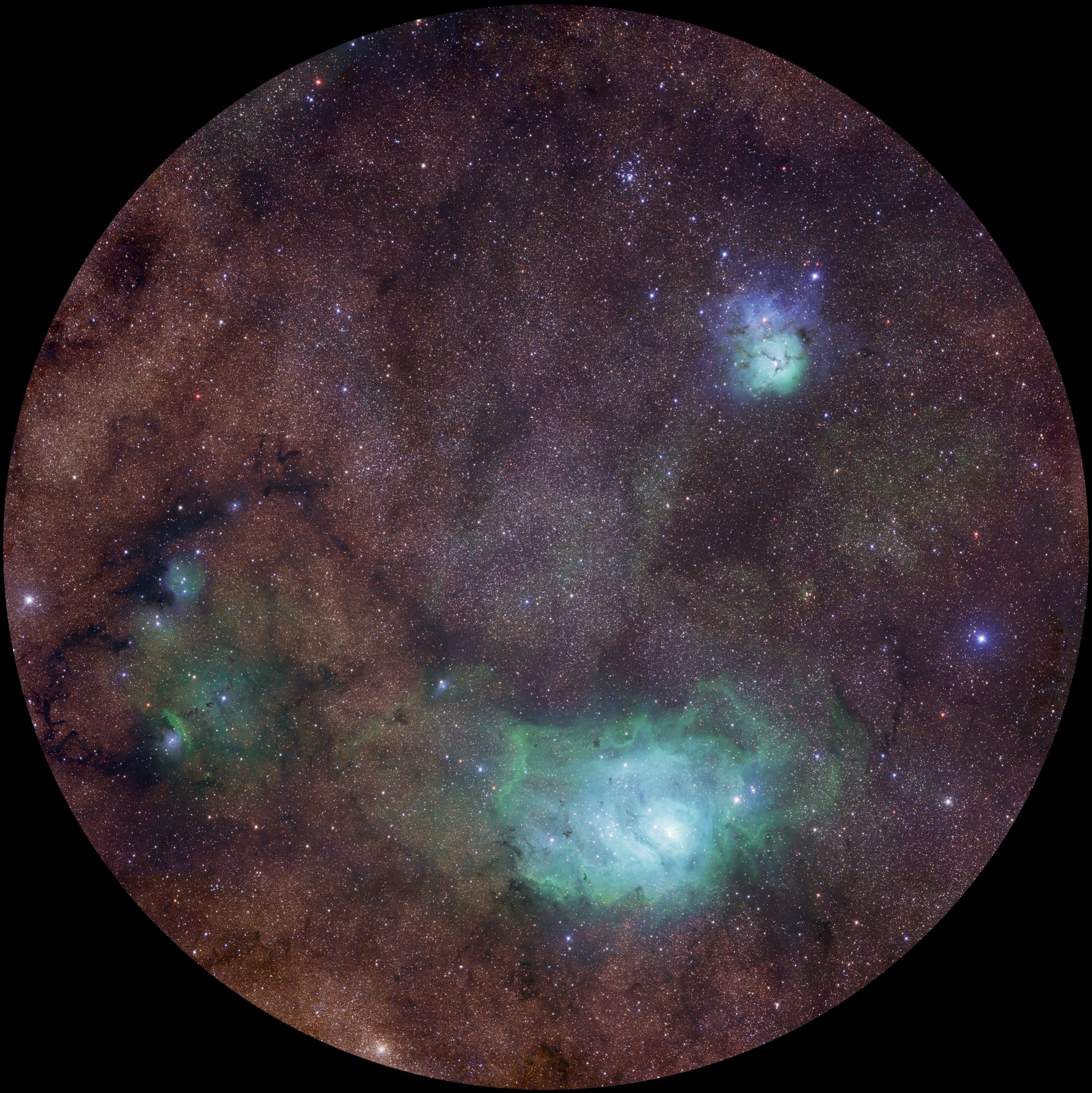
Shown here is a massive, high resolution image of the cosmos. This impressive photograph spans six times more degrees than the width of the full moon.  It is aimed at Sagittarius, one of the first constellations we learned about on our weekly quizzes. Hydrogens red emissions have been changed to green, and the starlight colored red.  The camera which took this image has 1.4 gigapixels.  The purpose of it is to scan for asteroids that may endanger earth.

Thursday, October 4, 2012

Apod 1.6

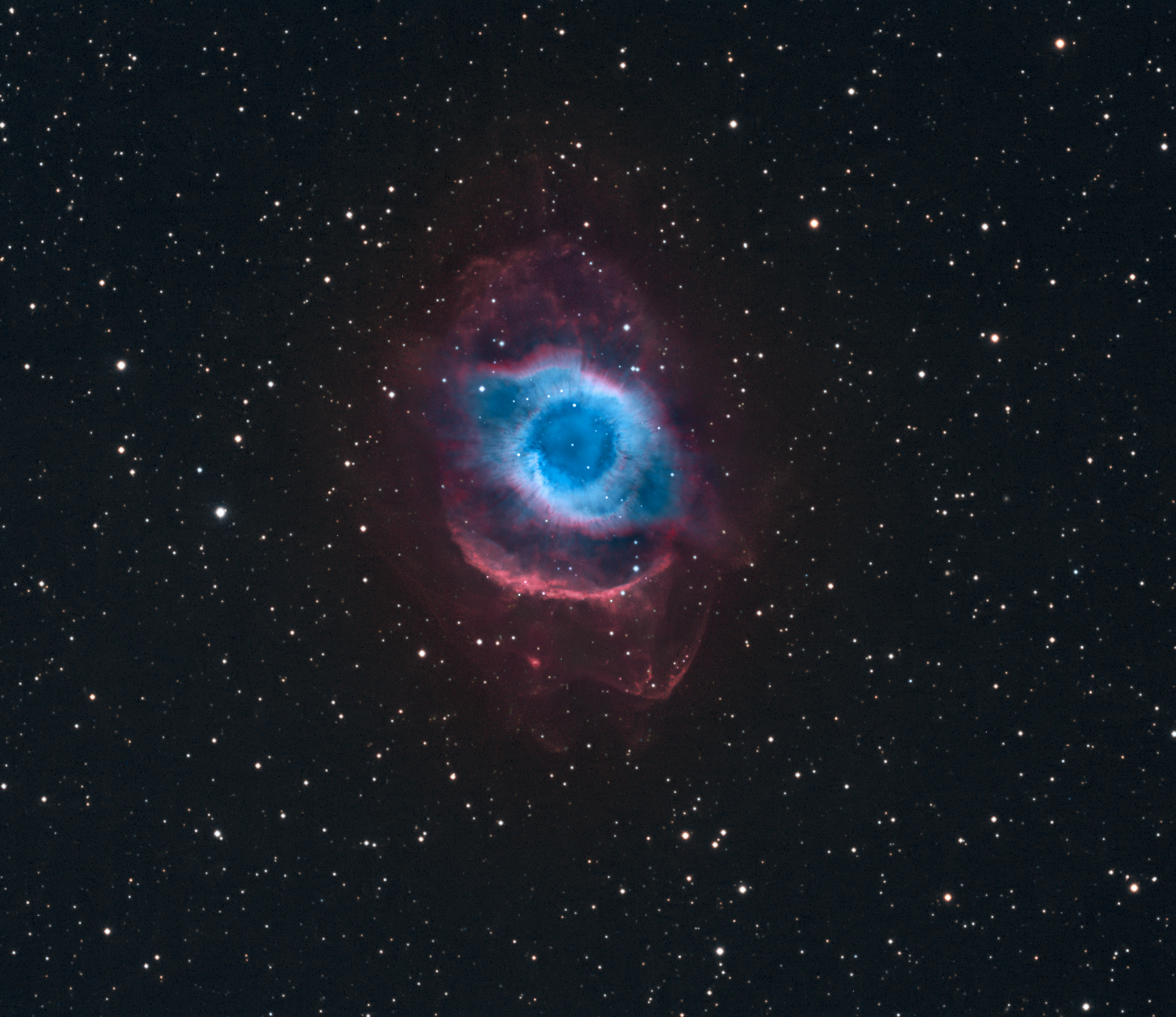
The image above depicts a star dying.  Its death has created the spectacular looking nebula shown in the center of this image, the Helix Nebula. This picture was obtained with a very high exposure, 58 hours, to gain this effect.

Monday, October 1, 2012

Observations

Saw full moon from Pineview parking lot.  The moon shown through a thin cloud, which made a halo appear around it.

Sunday, September 30, 2012

Sources

Swerdlow. "1986JHA....17..189S Page 189." 1986JHA....17..189S Page 189. Harvard, n.d. Web. 30 Sept. 2012. <http://adsabs.harvard.edu/full/1986JHA....17..189S>.

Hockey, Thomas. "Bayer, Johann." Bayer, Johann. Springer Reference, n.d. Web. 30 Sept. 2012. <http://www.springerreference.com/docs/html/chapterdbid/58130.html>.

Friday, September 28, 2012

Apod 1.5

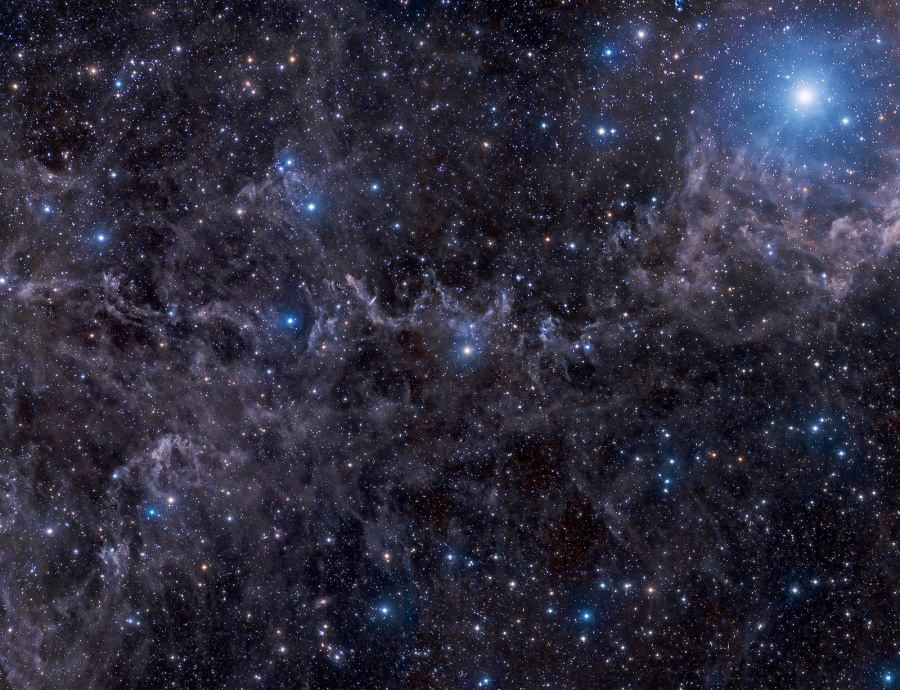
Here you can see a image of the sky. Markab is at the center of this, and is part of the great square. The great square is part of the Pegasus constellation. It also has very dust clouds, and galaxies. This image provides a nice view of various interstellar objects, and shows just how massive the universe is.

Friday, September 21, 2012

Apod 1.4

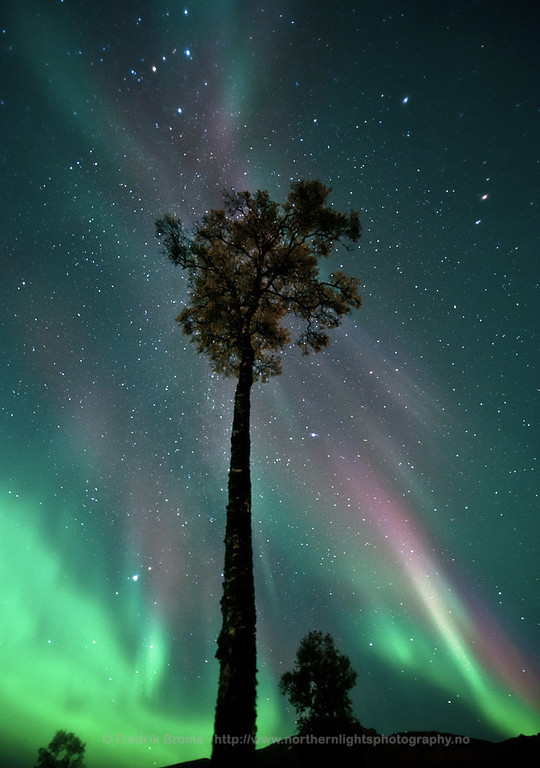
This image is taken near the September equinox.  During this equinox, electromagnetic storms increase, and the northern lights are more common. This picture shows the northern lights in Norway, on September 20th.
The lines in the aurora are actually parallel, but are distorted by the lens, and the perspective of the camera.
To the right of the tree is  polaris,  and to the left is Shedar.  Altair is in the lower left of the image.

Friday, September 14, 2012

Observations on September 13th

Saw the moon as a waning gibbous,  and nearby, saw Venus. this was between 7 and 8 am

Later, between 10 and 11, I had the chance to observe them again, and noticed that they were much higher in the sky, nearly straight up.

Apod 1.3


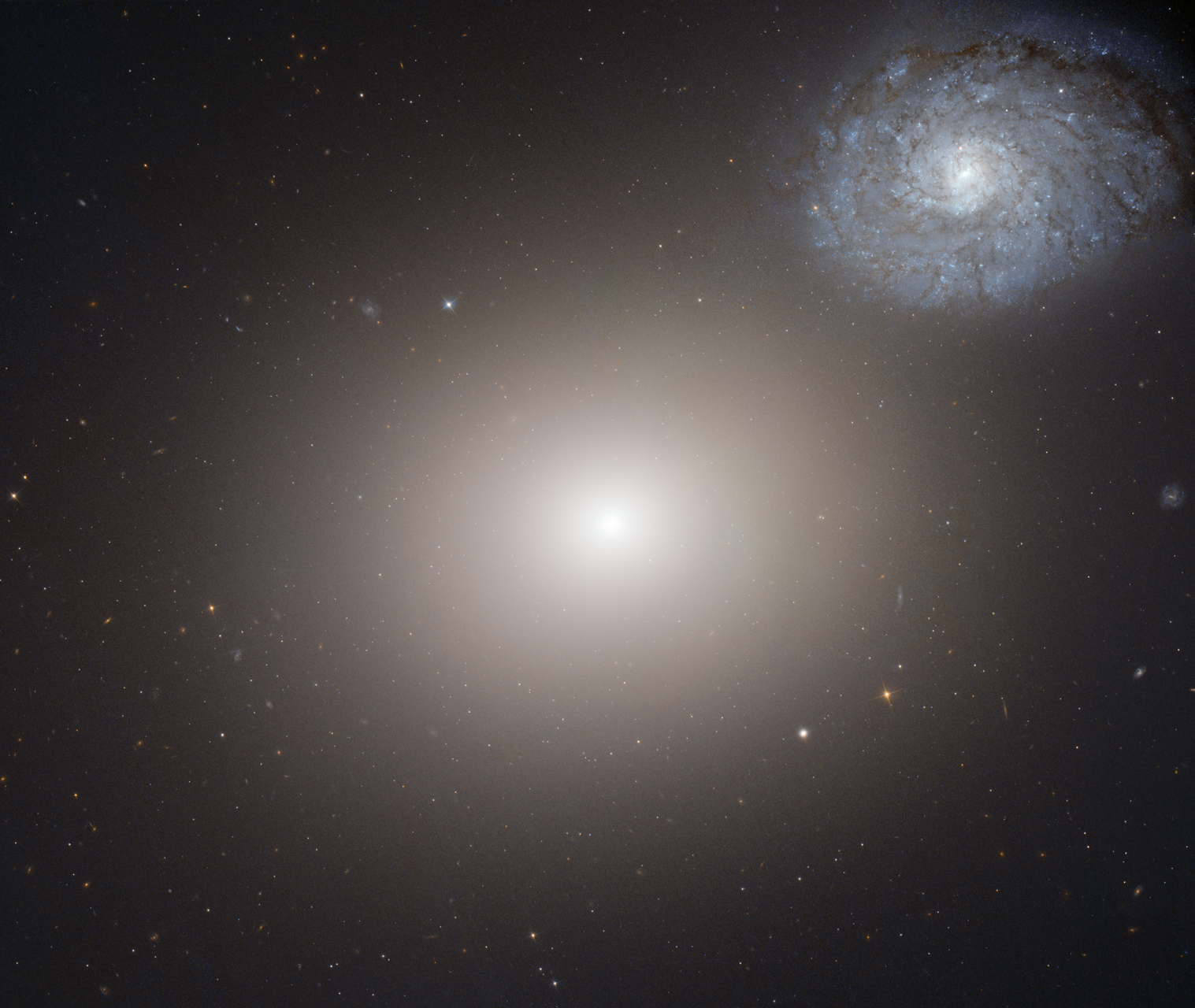
This image shows two galaxies, M60, and NGC 4647. M60 is the very bright one in the center, while NGC 4647 is the blue, spiral galaxy in the upper right corner.  M60 is larger, about 120,000 light years in diameter, while NGC 4647 is only about 90,000 light years in diameter.  There is a good chance that these two galaxies will collide in the future, much like the Milky Way may collide with the Andromeda galaxy.

Friday, September 7, 2012

APOD 1.2

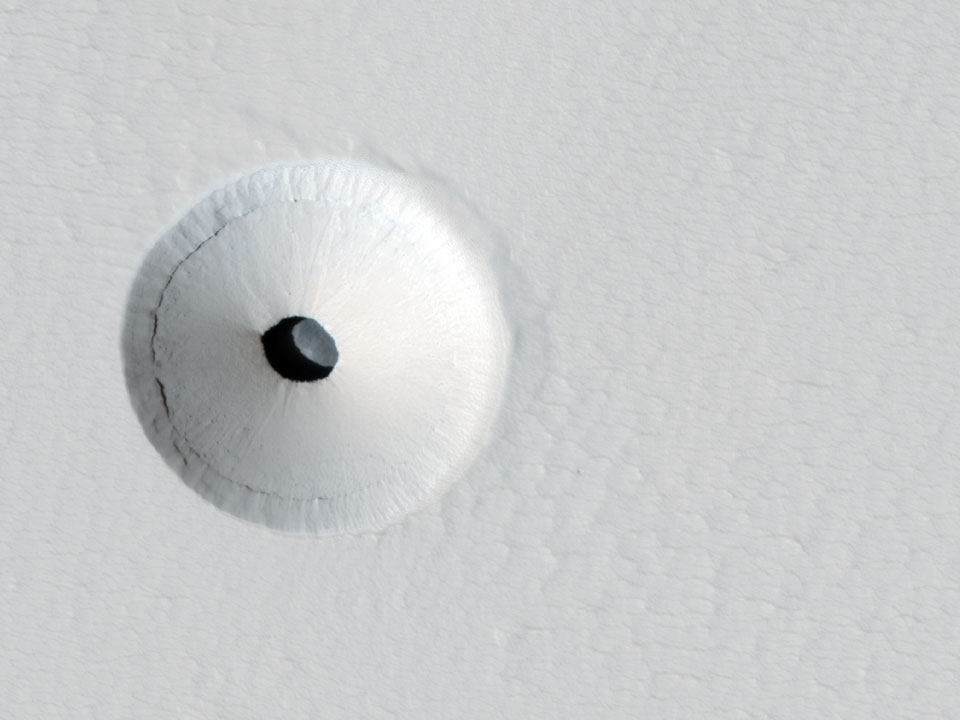
This image above is of a mysterious hole in mars.  This hole was discovered by the Mars Reconnaissance orbiter while orbiting mars.  The cause of the hole is unknown, however the hole leads to a large underground cavern.  This has made many very interested in the hole, as if there is any life on mars, there is a good chance that it will exist in that hole, sheltered from the harsh martian elements.  Future exploration of mars will likely involve exploring this cavern, and possibly discovering alien life.

Saturday, September 1, 2012

APOD 1.1


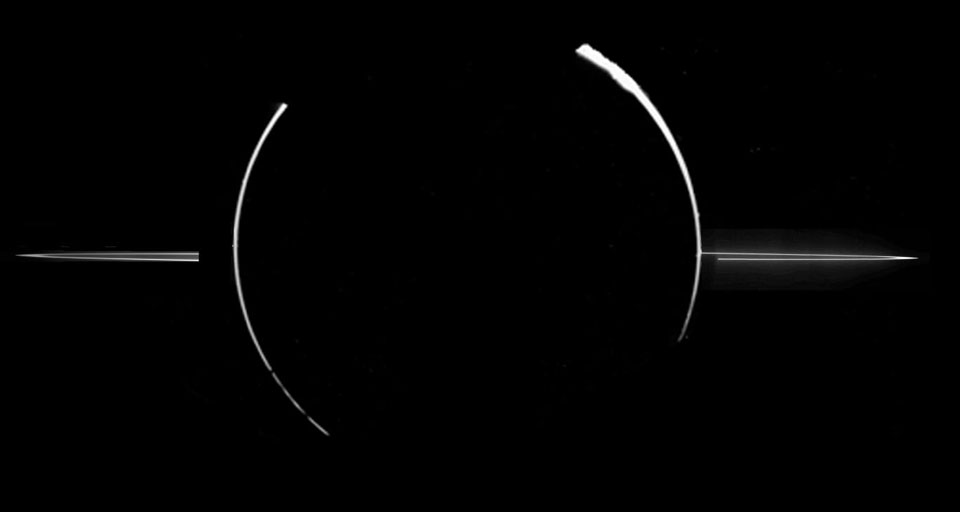
The image I choose was one about Jupiter's rings, called Jupiter's Rings.  Naturally, this image shows Jupiter and its rings.  I learned that the rings are formed by meteors impacting the moon, and going all the way through, which sends small particles into Jupiter's orbit.  Lastly, I also learned the name of one of Jupiter's four inner moons moons, which is Adrastea.