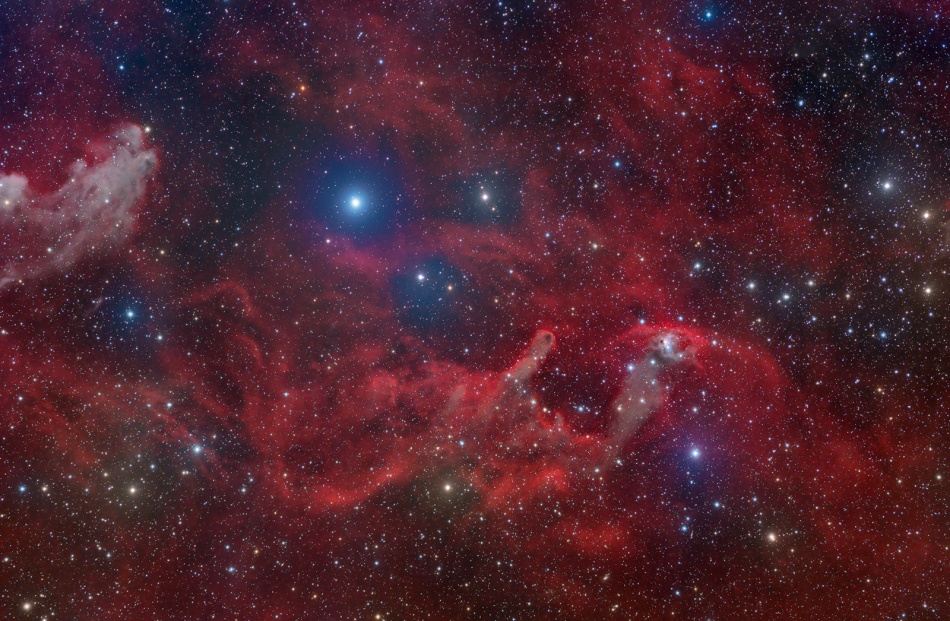
Friday, April 19, 2013
APOD 4.4

Friday, April 12, 2013
Apod 4.3

Friday, April 5, 2013
APOD 4.2
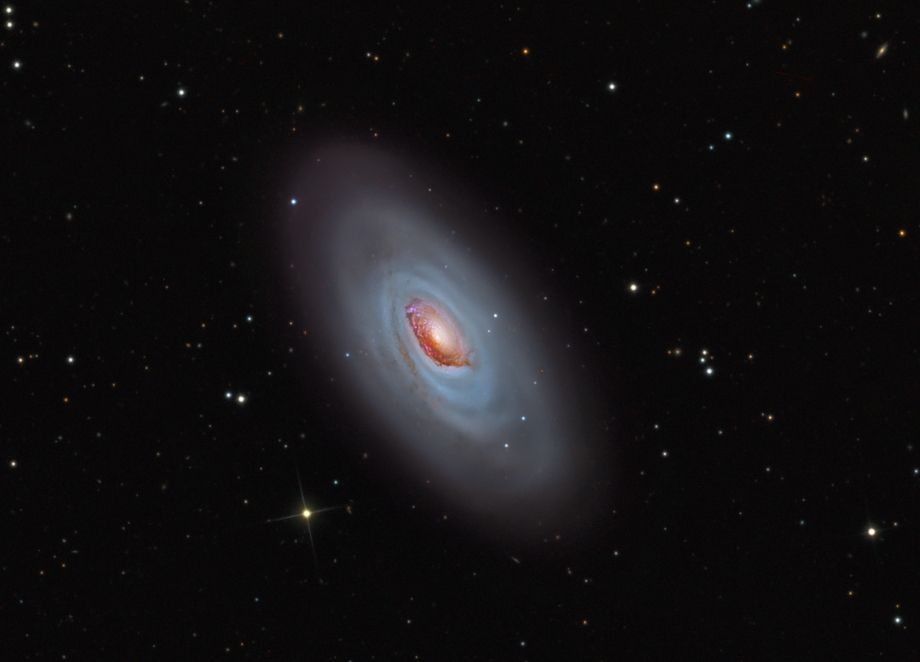
About 17 million light years away, this galaxy is not alone. It is likely the result of two galaxies rotating in opposite directions, whom merged. Perhaps one of them got a black eye?
Apod 4.1
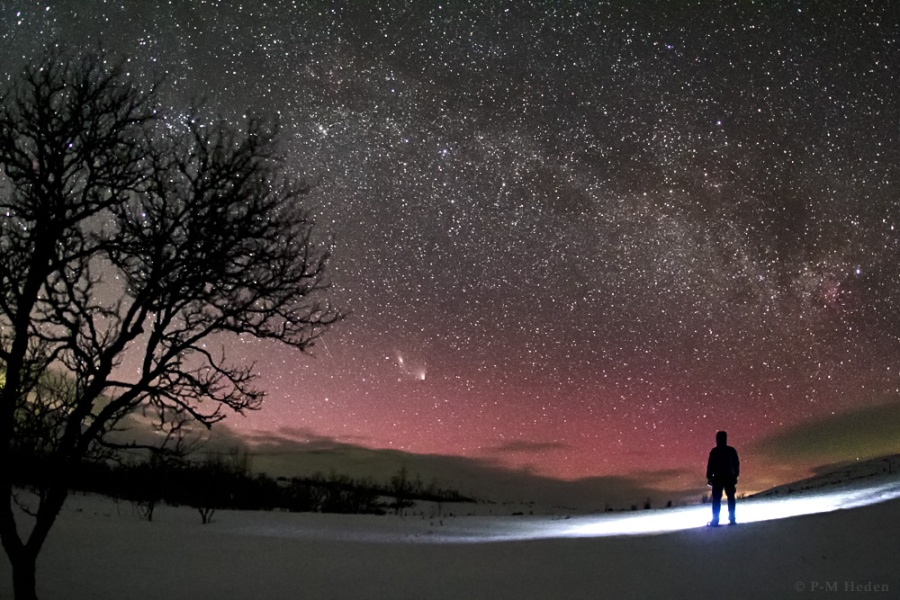
This image shows a comet flying over the night sky. At first glance, it might appear to be two comets, but in reality, it is one comet, that looks very similiar to M31, The andromedia galaxy, which it is nearby.
The image was taken at midnight, where all this was visible to the naked eye, in Sweden.
Monday, April 1, 2013
Edward Barnard Biography
Edward was born in Nashville,
Tennessee to a poor family. His father died, and he initially
received no education. Eventually, he discovered two comets, began
getting renown in his local town.
The astronomers of his local town saw
this, and began to raise money. Collectively, they got enough money
to send him to Vaunderbilt university. He never graduated, however,
Vaunderbilt has awarded him an honorary degree.
He has done asome significant work in
astronomy, and with all types of astronomical objects. From the moons
of Jupiter, to the spokes of Saturn, to the dark regions of the
galaxy, Barnards work has spanned the spectrum. He started with just
a small refractor telescope, and worked his way up. His community
helped him, and got him the money to go to Vanderbilt University.
Here he got access to better telescopes, along with a better
education. Afterwards, he joined an observatory, and got access to
his best telescopes, and made most of his discoveries. At Lick
university, which he joined in 1887, he discovered, Saturns spokes,
in 1889, spokes that run parallel to its rings. He discovered
Jupiters fifth moon, and that the dark galaxy spots were gas, not
empty. Later on, near the end of his life, he discovered a star, and
cataloged nebula.
Bernard discovered many things over his
career, and has much named after him, from craters to stars. He had
an honorary degree from Vaunderbilt, as despite his great discoveries
later on, and obvious brilliance, he never graduated. Everything must
come to an end however, and Bernard met his in 1923. He died in
Wisconsin, but was brought back to his hometown of Nashville,
Tennessee, to be buried. However, his fame continued to grow after
death, as his photos were published in very journals and texts.
Wikipedia contributors. "Edward Emerson Barnard." Wikipedia, The Free Encyclopedia. Wikipedia, The Free Encyclopedia, 1 Mar. 2013. Web. 1 Apr. 2013.
Darling, David. "Barnard, Edward Emerson." The Encyclopedia of Science.. <http://www.daviddarling.info/encyclopedia/B/Barnard.html>.
"Barnard, Edward Emerson." Complete Dictionary of Scientific Biography. 2008. Encyclopedia.com. 1 Apr. 2013 <http://www.encyclopedia.com>.
Carey, Bill. "Astronomer Barnard was among Vanderbilt's first academic superstars."Vaunderbilt University Register [Nashville] 29 Oct 01, n. pag. Web. 1 Apr. 2013. <http://www.vanderbilt.edu/News/register/Oct29_01/story5.html>.
Subscribe to:
Comments (Atom)